Sailing is a fascinating activity, but not without risks. In cases of emergency, mechanical failure or more serious incidents, several legal concepts of maritime law come into play: shipwreck discovery, assistance, salvage, and, more recently, towage and technical assistance in pleasure boating. Understanding the differences among these concepts is crucial not only to act correctly at sea, but also to avoid disputes and unexpected costs.
Shipwreck Discovery, Assistance and Salvage: First Distinctions
The three traditional institutions are governed by the Italian Code of Navigation (Royal Decree of 30 March 1942, No. 327, Articles 489–513) and the 1989 London Salvage Convention (implemented in Italy by Law No. 203/1995).
Wreck discovery (ritrovamento) refers to the fortuitous finding of a wreck, vessel or yacht at sea or stranded ashore, without the owner being aware of its position. Under Article 510 of the Code of Navigation, the finder must notify the nearest maritime authority within three days and deliver the wreck either to the known owner or to the authority. Upon compliance, the finder is entitled to reimbursement of expenses and a reward equal to 30% of the value of the asset found at sea, or about 20% if found on maritime public property (shoreline, beach, etc.).
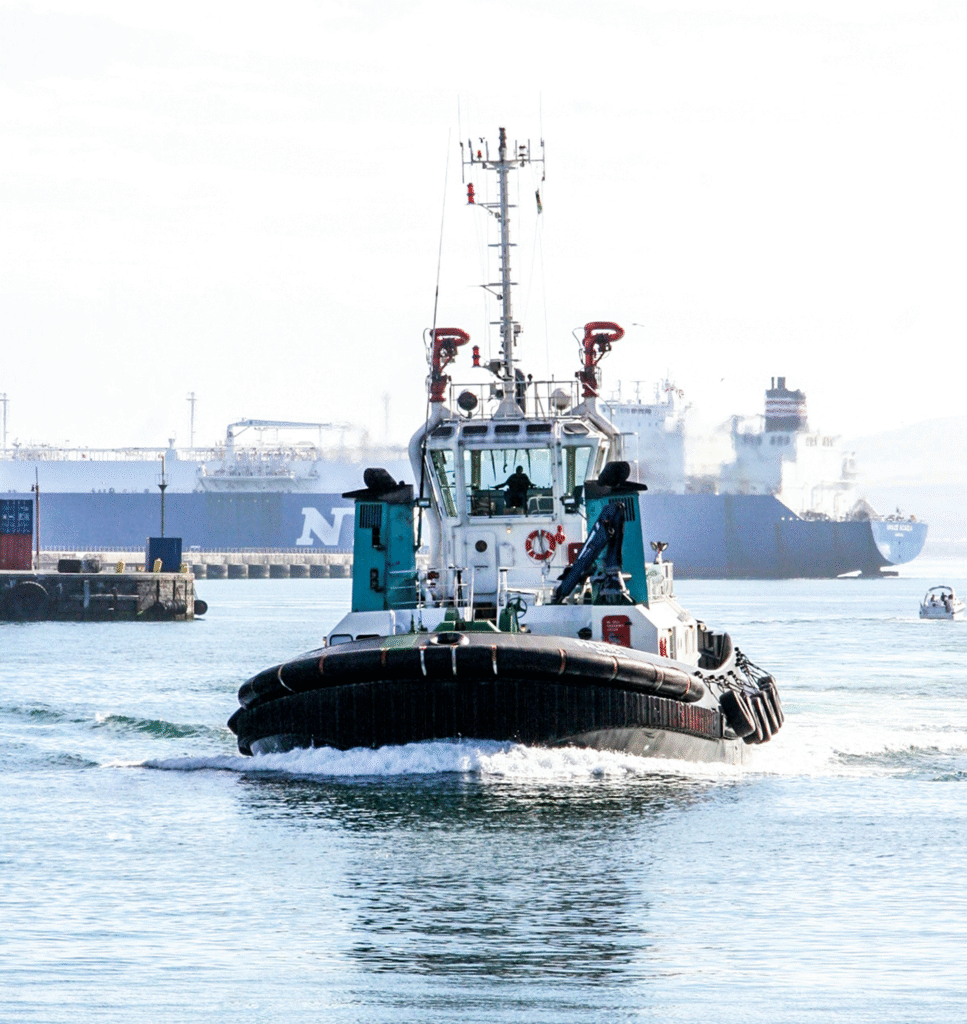
Assistance (assistenza) is regulated together with salvage and recovery in Title IV – Book III of the Code of Navigation. Article 489 provides that assistance to a vessel or aircraft in danger of being lost, at sea or inland waters, is mandatory, provided it can be carried out without serious risk to the assisting ship, its crew or passengers. The duty lies with the master, unless aware that others are already providing adequate assistance.
Assistance differs from salvage because in assistance the distressed vessel is still capable of cooperating, maintaining some degree of manoeuvrability. Assistance entitles the salvor to: compensation for damages, reimbursement of expenses, and a reward, but only if the operation produces a useful (even partial) result (Art. 491). The reward is assessed considering the value of the assisted property, the degree of danger, the effort and risks undertaken, the time employed, and general expenses of the assisting enterprise.
The 1989 Salvage Convention modernised these rules by broadening the scope of ‘salvage operations’ to include acts to prevent or minimise environmental damage, even where the operation is unsuccessful. Article 14 introduced the concept of environmental salvage, partly derogating from the classic ‘no cure, no pay’ principle.
Salvage (salvataggio) is addressed by Articles 490 et seq. of the Code of Navigation. Unlike assistance, salvage occurs when the distressed vessel is no longer able to cooperate and the intervention of the salvor is decisive in preventing its loss. The law confirms the ‘no cure, no pay’ principle: compensation is due only if the salvage produces a useful or partially useful result. The award is determined according to the same criteria as assistance.
Towage and Technical Assistance in Pleasure Boating
With Legislative Decree No. 229/2017, Italy introduced a specific regulation on assistance and towage services for pleasure craft (Article 49-duodecies of the Code of Pleasure Boating).
This intervention aims to enhance safety at sea and prevent pollution, regulating minor activities compared to traditional maritime salvage.
“Minor assistance” in the context of pleasure boating is a technical, non-emergency service, such as:
– supply of fuel or batteries;
– engine restart;
– refloating in case of grounding;
– minor repairs at sea.
These services may also be provided by authorised private operators and mooring personnel, provided they hold professional liability insurance and have notified the competent Maritime Authority. Such services resemble a technical or craft service, giving rise only to the agreed fee, not to the reward mechanisms of the Code of Navigation.
Towage, under Article 49-duodecies, refers to the transfer of the vessel to the nearest suitable facility when the issue cannot be solved on site. This form of towage does not amount to salvage and differs from the technical towage regulated in the Code of Navigation, although in practice the boundary between these categories may sometimes blur.
Key Legal Implications
The distinctions among shipwreck discovery, assistance, salvage and towage directly affect the rights and duties of the parties involved, the economic consequences, and even criminal liability in cases of failure to render assistance.
This overview is not exhaustive but aims to provide initial guidance, useful both to yacht owners seeking protection and to operators called upon to intervene.
For specific advice, contract drafting, or dispute management in this area, contact us to discuss your case: we will analyse your situation and develop the most suitable strategy to protect your interests.
Studio Legale Capece Minutolo
Avv. Gianmarco Capece Minutolo