
Abstract


Throughout its history, the America’s Cup has experienced lengthy interruptions caused by wars, economic crises and the organisational complexity of costly campaigns conducted across continents. At certain pivotal moments, however, it was not conditions at sea that brought the competition to a halt, but proceedings before the courts of the State of New York.

Judicial intervention has taken different forms. In some instances, the New York courts authorised specific amendments to the Deed of Gift—the so-called court-authorized amendments—in order to adapt it to changing circumstances within the competition. In others, in the context of fully contested proceedings, yacht clubs advanced claims based on conflicting interpretations of the instrument: who was entitled to challenge the Defender, what limitations arose under the Deed, and how much freedom the Cup-holding club enjoyed.

The contest—and the challenge itself—thus moved on several occasions from the racecourse to the courtroom.

Among the various disputes, two became leading cases in the legal history of the Cup and ultimately reached the New York Court of Appeals: Mercury Bay Boating Club Inc. v San Diego Yacht Club, 76 N.Y.2d 256 (1990), arising from the 1988 match between a maxi monohull and a catamaran and Golden Gate Yacht Club v Société Nautique de Genève, 12 N.Y.3d 248 (2009), concerning the validity of the challenge submitted by Club Náutico Español de Vela for the 33rd America’s Cup.

These different forms of judicial intervention arose from profoundly different circumstances and produced equally different results. Read together, however, they show how the New York courts have contributed to adapting, interpreting and keeping the Deed operational, enabling an instrument executed in 1887 to continue governing one of the world’s oldest and most technologically advanced sporting competitions.

1. The Deed of Gift before the Court of New York

As examined in the first paper in this series, the enduring legal foundation of the America’s Cup remains the Deed of Gift dated 24 October 1887.

The trophy constitutes the corpus of a charitable trust established under the law of the State of New York. The yacht club that wins the Cup becomes its sole trustee and holds it until it is defeated by a qualified challenger. The Deed sets out the essential requirements of a challenge and allows the Defender and Challenger, by mutual consent, to agree upon the terms of the match. Where no agreement is reached, the Deed’s default provisions apply.

The jurisdiction of the New York courts does not arise from an ordinary sporting rule or from the dispute-resolution system established for any particular edition of the Cup. It derives from the nature of the Deed of Gift as the instrument creating a trust governed by New York law and from the supervisory jurisdiction exercised by the state courts over its administration, interpretation and amendment.

Over the years, that supervisory function has been exercised principally through two forms of intervention.

The first consists of judicial amendments, generally referred to as court-authorized amendments.

The first such amendment was made in 1956. Following a twenty-year interruption caused by the Second World War and the economic difficulties of the post-war period, the large J Class yachts had become prohibitively expensive to build and maintain. The New York Yacht Club therefore obtained a court order reducing the minimum waterline length prescribed by the Deed for single-masted yachts from 65 to 44 feet. The same order also removed the requirement that a challenger sail to the venue of the match under her own power—on her own bottom—a condition that placed foreign challengers at a particular disadvantage.

The judicial amendment therefore made it possible to use the International 12-Metre Class and contributed to the resumption of the competition. As amended, the Deed now permits single-masted yachts with a waterline length of between 44 and 90 feet, and yachts with more than one mast with a waterline length of between 80 and 115 feet.

A second intervention by the New York courts took place in 1985, following Australia’s historic victory in 1983. That edition marked a memorable turning point in the history of the Cup for at least three reasons: after 132 years, it ended the New York Yacht Club’s hold on the trophy, which was taken to Australia for the first time by Australia II and the Royal Perth Yacht Club; it saw Italy make its debut with Azzurra; and it introduced the Louis Vuitton Cup as the challenger-selection series.

The transfer of the Cup to the Southern Hemisphere made it necessary to amend the racing window prescribed by the Deed of Gift, which had originally been drafted solely with Northern Hemisphere conditions in mind. The text then in force permitted racing only between 1 May and 1 November.

The Royal Perth Yacht Club therefore applied for an amendment, which the Court granted, introducing separate seasonal windows: from 1 May to 1 November in the Northern Hemisphere and from 1 November to 1 May in the Southern Hemisphere. The amendment made it possible for the following edition to be held in Fremantle in 1987, where the American challenger Stars & Stripes, representing the San Diego Yacht Club, won the Cup.

In these proceedings, the Court was not being asked to choose between conflicting interpretations advanced by opposing parties. It was being asked to authorise a formal amendment to the Deed because changed circumstances had made the literal application of certain original conditions impracticable or inappropriate.

The second form of judicial intervention consists of contested proceedings between opposing parties. Through actions for declaratory relief, applications for injunctions and claims seeking the construction and enforcement of the Deed, clubs ask the courts to determine the meaning of the instrument and the validity of the powers exercised by the other participants.

From this perspective, Mercury Bay Boating Club Inc. v San Diego Yacht Club and Golden Gate Yacht Club v Société Nautique de Genève raised two complementary questions. In the first case, the courts had to determine whether a limitation not expressly stated in the Deed could nevertheless be inferred from it. In the second, the issue was whether the Defender and Challenger could, through mutual consent and an already agreed Protocol, give effect to a challenge that lacked a requirement expressly imposed by the Deed.

2. Mercury Bay Boating Club Inc. V San Diego Yacht Club

2.1 THE CHALLENGE THAT BROKE WITH THE 12 METRE FORMAT

After regaining the Cup at Fremantle in 1987, the San Diego Yacht Club intended to organise the next edition in 1990 or 1991 using the multiple-challenger format and the 12-Metre Class yachts that had been raced for approximately thirty years.

These were not the J Class yachts used before the Second World War, but the smaller boats governed by the International 12-Metre Rule, whose introduction had been made possible by the 1956 amendment.

The Mercury Bay Boating Club radically altered that scenario. The New Zealand club submitted a challenge under the Deed’s default provisions, giving ten months’ notice and nominating a maxi monohull with a waterline length of 90 feet—the maximum permitted for a single-masted yacht.

The Deed required the Challenger to provide the name of the owner, the name and rig of the yacht, and certain dimensions. It also required both the challenging yacht and the Defender’s yacht to be constructed in the country of their respective clubs. As to the Defender’s choice of yacht, however, the Deed allowed it to meet the challenge with “any one yacht or vessel”, without requiring the two yachts to belong to the same class, have the same number of hulls or possess comparable performance characteristics.

San Diego disputed the challenge and commenced separate proceedings seeking either an interpretation or an amendment of the Deed that would allow it to preserve the planned format. Because of the charitable nature of the trust, the New York Attorney General intervened in the proceedings as the representative of the beneficiaries’ interests and supported the Defender’s position.

The New York Supreme Court nevertheless held that the challenge was valid and identified three alternatives: accept it, agree upon different terms by mutual consent, or forfeit the Cup.

After all attempts to reach an agreement had failed, San Diego announced that it would defend the trophy with Stars & Stripes, a rigid-wing catamaran considerably smaller than the maxi monohull New Zealand, but significantly faster in the conditions expected for the match.

The legal question could be framed in stark terms: In the absence of mutual consent, could the Defender select any yacht permitted by the wording of the Deed, even where that choice made the contest radically unequal?

Mercury Bay argued that the reference to “friendly competition between foreign countries”, the very nature of a “match”, and the Defender’s fiduciary duties required a genuinely competitive contest. San Diego responded that the Deed required neither identical classes nor technical equivalence nor comparable performance.

On 7 and 9 September 1988, Stars & Stripes won both races by wide margins. Mercury Bay then returned to the Supreme Court, seeking the disqualification of the catamaran and the transfer of the Cup.


2.2 THE TEXT OF THE DEED AND THE LIMITS OF SPORTING FAIRNESS


The Supreme Court granted Mercury Bay’s application. It held that the Deed contemplated a contest between yachts that were at least “somewhat evenly matched” and that San Diego had selected the catamaran in order to retain the trophy at all costs, contrary to the spirit of the gift.

The Appellate Division reversed. The phrase “any one yacht or vessel”, read together with the dimensional limits established by the Deed, permitted the Defender to use a multihull and did not authorise the Court to introduce a requirement of comparability that was absent from the text.

In 1990, the New York Court of Appeals, the State’s highest court, affirmed that approach. Where a trust instrument is unambiguous, the settlor’s intent must be derived from the words used; extrinsic evidence may be considered only where the text is ambiguous. The Deed did not exclude catamarans and did not require the Defender to field a yacht of the same type as, or with performance comparable to, the Challenger’s yacht.

The majority drew a decisive distinction between sporting fairness and legality. It did not hold that the mismatch was fair or desirable. It held that matters of sportsmanship could not be transformed by the courts into unwritten legal rules, and that the phrase “friendly competition” expressed the general purpose of the gift rather than a specific technical condition.

The majority also rejected the claim based on the Defender’s fiduciary duties. The America’s Cup trust has a distinctive feature: the trustee is also the competitor defending the trophy and, if defeated, will be replaced as trustee by the Challenger. In the particular context of this sporting trust, the Court of Appeals held that San Diego had discharged its duties by making reasonable efforts to reach an agreement and, when those efforts failed, by complying with the provisions of the Deed.

The dissenting opinion of Judges Hancock and Titone highlighted the alternative interpretation. It was not sufficient merely to determine whether the catamaran fell within the abstract definition of a “yacht or vessel”. The relevant question was whether the Defender, in its dual capacity as competitor and trustee, had used the wording of the Deed to deprive the competition it was required to administer of any genuine substance.

The majority nevertheless adopted the textual approach.

Legal takeaway: The Court of Appeals did not hold that the contest between the maxi monohull and the catamaran was fair. It held that the courts could not prohibit it by reading into the Deed a condition that the text did not contain.

3. Golden Gate Yacht Club v Societè Nautique de Genève

3.1 WHO WAS ENTITLED TO NEGOTIATE THE PROTOCOL

The second dispute arose on 3 July 2007, immediately after the Société Nautique de Genève’s victory in the 32nd America’s Cup. On the same day, SNG accepted the Notice of Challenge submitted by Club Náutico Español de Vela (CNEV). Two days later, the two clubs published the Protocol for the following edition.

CNEV had been incorporated on 19 June 2007, only two weeks before submitting its challenge, and had not yet held the annual regatta required by the Deed, which had to be conducted over an ocean water course on the sea, on an arm of the sea, or over a course combining the two: “having for its annual regatta an ocean water course on the sea, or on an arm of the sea, or one which combines both”.

On 11 July, the Golden Gate Yacht Club (GGYC) submitted its own challenge and disputed the Spanish club’s eligibility.

The issue concerned more than CNEV’s admission. The Deed provides that, once a challenge has been received from a club satisfying all of its conditions, no other challenge may be considered until the match has been decided.

The first duly qualified Challenger therefore becomes the Defender’s counterparty in the mutual-consent process and negotiates the Protocol with it. This position is commonly known as the Challenger of Record, although that expression does not appear in the Deed.

The question submitted to the courts was precise: Could a club that had not yet held the annual regatta required by the Deed become Challenger of Record by undertaking to satisfy that requirement before the match?

SNG and CNEV argued that the regatta could be held at a later date. GGYC responded that all eligibility requirements had to be satisfied at the time the Notice of Challenge was submitted.

Otherwise, the Defender could accept an as-yet unqualified club as its counterparty, negotiate the Protocol with that club, and allow it to satisfy the required conditions only afterwards.


3.2 A REQUIREMENT THAT COULD NOT BE SATISFIED AFTER THE CHALLENGE


The Arbitration Panel established under the Protocol held that CNEV’s challenge was valid. GGYC did not participate in the arbitration and instead commenced proceedings before the New York courts. Before the Court of Appeals, all parties acknowledged that the arbitral decision was not binding upon the courts in their interpretation of the Deed.

The Supreme Court held the Spanish club’s challenge invalid. The phrase “having for its annual regatta” required the Challenger already to have held at least one qualifying regatta and to intend to continue holding it. GGYC was consequently recognised as the Challenger of Record.

In a divided decision, the Appellate Division reversed, holding that the requirement could be satisfied before the match and did not necessarily have to be met before the challenge was submitted.

In 2009, the New York Court of Appeals reinstated the trial court’s decision. The word “annual” described an event that had already taken place at least once and was intended to recur, not an event that had merely been planned. The regattas held by CNEV in November 2007 and November 2008 could not retroactively cure the deficiency that existed in July 2007.

The Court made clear that its decision was limited in scope. It did not hold that CNEV was a sham club, nor did it address the separate question whether CNEV qualified as an “organized yacht club”. It held only that, when it submitted its Notice of Challenge, CNEV did not satisfy one of the requirements expressly imposed by the Deed.

The consequences were nevertheless far-reaching. The Defender’s acceptance could not validate a challenge that had been invalid from the outset, and the Protocol could not cure the defect in the very title from which the authority to negotiate it arose.

GGYC therefore became the Challenger of Record. When no new agreement was reached with SNG, the 33rd America’s Cup was contested under the Deed of Gift’s default provisions, in a match between the catamaran Alinghi 5 and the trimaran USA 17. BMW Oracle Racing’s yacht won the match and brought the Cup back to the United States.

A rarely remembered point of continuity links the two leading cases. Carmen Ciparick, who as a Justice of the Supreme Court had decided the first stage of Mercury Bay in 1987, authored the Court of Appeals’ opinion in Golden Gate more than twenty years later.

The Court of Appeals concluded by observing that the right to hold the Cup should be decided “on the water and not in a courtroom”. The paradox was clear: before returning the contest to the water, the Court first had to determine which club was legally entitled to reach it.

Legal takeaway: The Court did not hold that CNEV was a sham club. It held that, at the time of the challenge, CNEV lacked one of the requirements imposed by the Deed. The Protocol could not cure the defect in the title from which the authority to agree upon it arose.

Concluding remarks 

The major legal disputes in the history of the America’s Cup have not merely been instances of institutional dysfunction or external disruptions to the competition. They have contributed to interpreting, clarifying and keeping the Deed of Gift operational by defining the limits of the Defender’s powers, the requirements for a valid challenge, the role of the Challenger of Record, and the relationship between party autonomy and judicial oversight.


In the absence of a single permanent regulatory authority standing above the yacht clubs in the interpretation and application of the Deed of Gift, the courts of the State of New York have exercised external judicial review over the legality of the powers derived from it. In doing so, they have assumed a structural safeguarding role within the institutional architecture of the Cup.


The major legal disputes have therefore done more than delay or complicate the America’s Cup. They have helped shape its legal evolution and keep the Deed of Gift operational through profoundly different eras, technologies and organisational models, defining the mechanisms through which the Deed could evolve and the points at which change reached its limits.


The legal and regulatory evolution of the America’s Cup is not confined to judicial intervention. Alongside court-authorized amendments and litigation, the Cup’s governance includes a number of internal instruments: the Trustee Interpretive Resolutions, the mutual-consent process expressly contemplated by the Deed, and the Protocol through which the Defender and Challenger of Record establish the terms governing each edition.


Future papers of America’s Cup Series will examine these additional instruments and the way in which they have progressively shaped the governance of the America’s Cup.


Waves & Law™ is an editorial project curated by Avv. Gianmarco Capece Minutolo. © All rights reserved.


Studio Legale Capece Minutolo

 

Abstract

The America’s Cup is often described as the oldest international sporting competition still in existence. That definition is correct, but insufficient to capture its true complexity.

The distinctive nature of the America’s Cup does not lie solely in its history, in the speed of the AC75s, or in the technological sophistication achieved by contemporary sailing. It lies, above all, in its legal and regulatory architecture: a competition founded upon a nineteenth-century instrument, governed by mechanisms of a private-law nature, and gradually evolved into a system in which law, innovation, design and competitive advantage mutually influence one another.

The America’s Cup is, arguably, the only major international sporting event in which the principal contenders may contribute to redefining the rules of the future competition.

1. The Legal origins of the Cup

The fascination of the America’s Cup also lies in its historical and legal foundations, which display features that are, in many respects, unique within the landscape of international sport.

The competition originated in 1851, the year of the Great Exhibition in London, when the Royal Yacht Squadron, the most prestigious British yacht club, organised its traditional race around the Isle of Wight, offering as a prize a silver cup worth 100 guineas to the winner of the competition.

Fourteen British yachts took part in the race, joined by America, a 101-foot schooner representing the New York Yacht Club. The American vessel completed the race with a significant lead over the English challengers, winning the trophy which, from the name of the victorious yacht, would later become known as the America’s Cup.

A few years later, George L. Schuyler, the last surviving member of the group of owners who had co-financed the construction of the yacht America, arranged for the trophy to be donated to the New York Yacht Club by means of the document known as the Deed of Gift.

That instrument — in its version dated 24 October 1887, subsequently amended by orders of the Supreme Court of the State of New York in 1956 and 1985 — still constitutes the primary legal source of the America’s Cup and continues to define its fundamental principles, its structural framework, and its nature as an international competition between yacht clubs belonging to different countries.

2. The Deed ef Gift: The Fiduciary Architecture of the Cup

Unlike many modern sporting competitions, which are structured around federations, circuits or permanent organising bodies, the America’s Cup retains a distinctive matrix: a private challenge between yacht clubs, governed through a structure of a substantially fiduciary nature, whose interpretation and application fall within the jurisdiction of the Supreme Court of the State of New York.

The Deed of Gift establishes the essential architecture of the competition: a perpetual challenge between foreign yacht clubs, conceived “as a perpetual Challenge Cup for friendly competition between foreign countries”.

This is a legal structure that is unique within the landscape of international sport and which, even today, continues to shape the very nature of the Cup.

The 1887 Deed of Gift is not merely a historical “rulebook” of the competition.

In several respects, it presents features comparable to those of a true trust instrument, traditionally characterised by New York case law as a charitable trust, through which the trophy is formally transferred and held for specific purposes.

The yacht club holding the Cup — the Defender — therefore assumes a function substantially comparable to that of a trustee or temporary custodian, entrusted with preserving the trophy and making it available for future international challenges in accordance with the principles laid down in the Deed of Gift itself.

In most international sporting events, governance is vested in a federation or central organising body. In the case of the America’s Cup, by contrast, the system continues to be founded upon a nineteenth-century private-law instrument that defines the core principles of the competition, including:

who may challenge the Defender: the challenge must come from an organised yacht club belonging to a country different from that of the Defender, and such yacht club must hold an annual regatta on the sea, on an arm of the sea, or on a course combining both;

the terms of the challenge: the first challenging yacht club, the Challenger of Record, must give ten months’ written notice, stating the proposed dates for the races and indicating the name of the owner, together with a certificate containing the name, rig and dimensions of the challenging vessel;

the Defender’s advantage: the challenged yacht club is not required to identify its representative vessel until the time agreed for the start;

title to the Cup: the Cup does not belong to the owner of the winning yacht, but is held by the winning yacht club until the next award;

the mutual right of the Defender and Challenger to determine the terms of the challenge: the parties may, by mutual consent, make any arrangement satisfactory to both as to dates, courses, number of races, rules and sailing regulations, as well as all other conditions of the challenge;

the prevalence of the Deed of Gift in the absence of agreement: failing agreement between the Defender and the Challenger, the Deed operates as a default regime, setting out the essential parameters of the challenge;

It is therefore clear that, under the original system established by the Deed of Gift, the Defender enjoyed a structurally privileged position. The Challenger was required to disclose, well in advance, the essential elements of its yacht and of the challenge, whereas the Defender could delay the identification of its representative vessel until the time agreed for the start.

This asymmetry is one of the historical features of the America’s Cup and helps explain many of the tensions, negotiations and disputes that have accompanied the evolution of the competition over time.

A further distinctive element of the Cup’s legal architecture is the jurisdiction of the Supreme Court of the State of New York over disputes concerning the interpretation and application of the Deed of Gift. As the instrument establishing the fiduciary relationship governing the holding and custody of the trophy, the Deed continues to fall within the jurisdiction of the courts of the State of New York.

It follows that questions relating to the validity of a challenge, the proper application of the provisions of the Deed, or the exercise of the powers conferred upon the Defender may be brought before the Supreme Court, which is called upon to interpret and apply the text of the original fiduciary instrument.

The case law developed over the years has made a significant contribution to defining the legal boundaries of the competition and has had a direct impact on its evolution, giving rise to some of the most important disputes in the history of the Cup, which will be addressed in a subsequent analysis.

As the sporting, technological, economic and commercial complexity of modern campaigns has progressively increased, a second regulatory layer has gradually been added to the original system outlined by the Deed.

Contemporary editions of the America’s Cup therefore operate on two distinct but complementary levels: the Deed of Gift, as the permanent legal source of the competition, and the Protocol, as the negotiated set of rules governing each individual edition.

3. The Protocol and  the private governance of the competition

If the Deed of Gift constitutes the permanent legal architecture of the competition, the Protocol represents the governance instrument for each individual edition, regulating its organisation, governance and principal operational rules.

Modern editions are governed by a detailed Protocol negotiated between the Defender and the Challenger of Record, namely the first yacht club whose challenge is formally accepted by the Defender. The latter thereby assumes a privileged institutional position in defining the regulatory framework of the subsequent edition of the competition.

Today, the Protocol regulates the essential aspects of each edition: sporting format, governance, technical rules, media and commercial rights, arbitration panel, nationality requirements, conditions of entry, the structure of the Event Authority, and operational matters.

The result is a highly autonomous model of private sporting governance, founded upon a balance between contractual autonomy, technical regulation and competitive organisation, which profoundly distinguishes the America’s Cup from almost all other international sporting competitions.

Modern America’s Cup teams operate as multidisciplinary organisations made up of sailors, engineers, aerodynamic specialists, legal advisers, data analysts, designers, media teams, and commercial and operational structures subject to constant competitive pressure. Within this environment, design confidentiality continues to represent an essential competitive factor, even within a technical platform that is progressively more stable than in many past editions.

In America’s Cup campaigns, performance arises from the interaction between sailing skills, design, control systems, data management, interpretation of the Class Rules, and the ability to operate within extremely sophisticated technical and procedural constraints.

From this perspective, the rules do not merely regulate the competition: they directly influence its technical, organisational and competitive evolution, becoming themselves an integral part of the challenge.

4. From the centrality of the Defender towards more shared models of governance

For much of its history, the America’s Cup remained an elite, cyclical competition, strongly dependent upon the balance of power between the Defender and the Challenger of Record.

Historically, the Defender has maintained a structurally privileged position in defining the format and rules of the subsequent edition, participating — together with the Challenger of Record — in the construction of the new Protocol, the class, and the competitive framework of the future Cup.

Long intervals between editions, disputes among challengers, continuous changes in format, and the absence of genuine structural continuity have often generated uncertainty for teams, sponsors and host cities.

In recent years, however, the America’s Cup appears to have embarked upon a gradual process of transformation aimed at making the competition more stable, continuous and sustainable from an organisational, economic and sporting perspective.

The evolution towards more structured partnership models, the search for more shared governance, the introduction of cost-containment measures, the new nationality rules, and the debate concerning a possible reduction in the interval between editions clearly reflect this transformation.

Particularly significant is the debate surrounding the possibility of making the competition more continuous and structured, thereby encouraging the creation of a more stable international ecosystem from sporting, industrial and commercial perspectives.

The tension between heritage and modernisation now appears to be one of the central themes of the contemporary Cup.


INDUSTRY INSIGHT
On board Perspective | Contribution by Pierluigi de Felice | Professional sailor | Former Mascalzone Latino and Luna Rossa team member.


I experienced the America’s Cup for almost fifteen years, from the 31st to the 36th edition, witnessing profoundly different phases of its evolution. And if I had to identify what has historically made this competition unique compared with any other international regatta, I would start precisely from its system.

One of the peculiarities I always perceived while experiencing the Cup from the inside was the ability of each edition to present itself as different from the previous one from a technical, organisational and regulatory perspective.

The original structure of the Cup has historically assigned the Defender a central role in shaping the following edition. Through its interaction with the Challenger of Record, this position contributed to defining fundamental elements of the future competition: format, class and technical framework.

This produced a very concrete consequence. The Challenger of Record acquired a position of advantage over the other challengers, not only at an institutional level, but also from an operational, design and timing perspective.

Preparing an America’s Cup campaign has always meant working over a time horizon of several years, and having additional months available could have a significant impact on the real competitiveness of the campaign.

For these reasons, the representative of the future Challenger of Record could already be present at the final event of the Cup, ready to formalise the new challenge immediately after the trophy had been awarded.

This is what happened at the final race of the 35th America’s Cup in 2017, when the President of Circolo della Vela Sicilia, who was present on board, handed the challenge letter to Steve Mair of the Royal New Zealand Yacht Squadron. The challenge was presented by Luna Rossa, which thereby became the Challenger of Record for the 36th America’s Cup.

The modern America’s Cup, however, has undergone a profound transformation. The introduction of foils in the most recent campaigns accelerated a process that was already underway: a progressive reduction in crew numbers, increasing automation, mechatronics, and the integration of sailing, technology and engineering.

Where once many adjustments were entrusted primarily to the sensitivity of the crew and to the human element, today competitiveness requires increasingly sophisticated systems.

The evolution of the most recent platforms and the current structure of the ACP format, envisaged for the 38th edition, have also progressively encouraged greater standardisation of certain elements of the competition.

This is a change which, on the one hand, tends to enhance execution quality, organisation and the overall performance of the teams, but which, on the other hand, is moving the Cup towards a competitive model that increasingly resembles other international sailing events based on one-design platforms.

A question therefore remains open, and will inevitably accompany the next editions: to what extent will this evolution be able to preserve those features which, for more than a century and a half, have made the America’s Cup a unique competition within the international sporting landscape?


5. Final considerations

If the most recent editions of the Cup appear to have favoured increasing technical continuity and a progressive stabilisation of the platforms and competitive format, one central element of the original architecture of the America’s Cup nevertheless remains.

The system built around the Deed of Gift continues, in fact, to allow the future Defender to exert a significant influence on the structure of the subsequent edition of the competition and to redefine part of the rules of the challenge itself.

It is probably precisely this distinctive ability to evolve from within — allowing the protagonists to influence even the rules of the future competition — that has enabled the America’s Cup to span more than one hundred and seventy years of history, while still preserving a fascination and uniqueness without equal in the landscape of international sport.


This contribution inaugurates the Waves & Law™ America’s Cup Series, dedicated to the analysis of the legal, regulatory and evolutionary aspects of the oldest international sporting competition still in existence.


Waves & Law™ is an editorial project curated by Avv. Gianmarco Capece Minutolo. © All rights reserved.


Studio Legale Capece Minutolo

 

Abstract

In superyacht refit projects, contractual aspects operate within an environment characterised by multiple stakeholders, continuously evolving works and the frequent presence of cross-border elements. In this context, the contract does not merely regulate the parties’ obligations, but assumes a broader function of coordination and project governance.
The most widely recognised international standard forms, such as BIMCO REPAIRCON and the ICOMIA Superyacht Refit Contract, represent reference models in market practice. Although rarely adopted in their entirety, they are frequently used as the basis for hybrid contractual structures tailored to the specific characteristics of each project.
>This paper analyses the structure and role of such standard forms in international refit practice, highlighting their underlying contractual logic and their function in defining the balance between the parties.

1. A Recurring Scenario.

An owner engages a shipyard located in a jurisdiction different from that of the owner for the refit of a vessel originally operated as an exploration vessel and registered under a third-country flag, on the basis of a particularly extensive scope of work aimed at converting the unit into a private pleasure yacht.

The inherently evolving nature of the works often gives rise, during the execution phase, to issues requiring variations, additional works and extensions of the contractual timeline. At the same time, the involvement of multiple parties — including designers, owner’s contractors and suppliers — affects the operational structure of the project, altering the original allocation of responsibilities.

The main areas of tension concern cost management, compliance with delivery schedules and the identification of liabilities, with the concrete risk of escalation into international disputes. In such circumstances, economic issues (extra costs, liquidated damages and claims for compensation) are frequently accompanied by more complex matters relating to governing law, jurisdiction and dispute resolution in multi-jurisdictional contexts.
>It is precisely at this stage that the structure of the refit contract, together with the choices made during the assessment and negotiation phase, assumes a central role: not only in regulating the relationship between the parties, but also in anticipating and managing the potential criticalities of the operation.

2. From Refit Contracts to Project Governance in Multi-Jurisdictional Contexts.

Within the yachting industry, refitting may broadly be described as a series of transformation, upgrading or functional reconstruction works carried out on an existing vessel, often characterised by significant technical and organisational complexity and by a substantial impact on the overall economic value of the project.

In superyacht refits, the contractual relationship frequently operates within a context where the owner, the shipyard and the flag state are subject to different legal systems, with significant implications in terms of technical regulations, liability, governing law and dispute management.

One of the defining features of refit projects lies in the evolving nature of the works: while the object of the contract may initially be determined or determinable in its essential elements, market practice frequently requires progressive integration during the execution phase through variations, additional works and interventions not entirely foreseeable at the outset.

In this context, the contract increasingly performs a function comparable to project governance models, where the legal dimension becomes integrated with the operational management of the project (in a complementary perspective, the principal dispute-related issues arising in refit projects have been addressed in a separate article available on the firm’s websiteYacht Refit Contract in Italy: Managing Risks and Avoiding Disputes).

3. International Standard Forms and Contractual Practice in Refit Projects.

The increasing complexity of large yacht refit projects has encouraged, in international practice, the adoption of standard contractual forms, or contracts inspired by recognised industry models, intended to provide a common framework governing the relationship between the parties. Among the principal references are BIMCO REPAIRCON (ed. 2018) and the ICOMIA Superyacht Refit Contract (ed. 2021), both reflecting different operational and legal cultures.

BIMCO (Baltic and International Maritime Council) is one of the leading international organisations in the commercial shipping sector, widely recognised for drafting standard contractual forms used globally across the maritime industry.

ICOMIA (International Council of Marine Industry Associations) is an international organisation representing associations and operators within the recreational marine industry which, through its Superyacht Refit Group, developed a contractual model specifically tailored to large yacht refit projects.


3.1 The Structure of BIMCO REPAIRCON 2018.

REPAIRCON 2018 is structured as a standard ship repair form drafted according to the traditional BIMCO contractual approach, divided into a section containing commercial particulars and special conditions, and a second section incorporating the standard terms and conditions.

The structure of the form revolves around several core elements: identification of the parties, vessel description, shipyard designation, contractual period, scope of works, pricing structure, payment terms, redelivery, delays, liabilities, warranties and dispute resolution.

Particular significance is attributed to price certainty, the shipyard’s right to suspend the works in case of the owner’s default, the definition of the contract period and the inclusion of liquidated damages provisions for delay in redelivery.


The model reflects a contractual logic under which the agreement is conceived primarily as an instrument governing the execution of the works and the consequences arising from non-performance, in line with the traditional practice of commercial shipping.


3.2 The Structure of the ICOMIA Superyacht Refit Contract.

The ICOMIA Superyacht Refit Contract was developed within a framework specifically related to large yacht refits, where both technical and organisational aspects assume particular relevance.

Like REPAIRCON, it is divided into a first negotiable section, where the parties define the essential elements of the relationship (time schedule, price, liquidated damages, governing law, jurisdiction or arbitration), and a second standard section governing obligations, liabilities and execution procedures in greater detail.

The contract is characterised by a considerable density of clauses, reflecting the operational reality of superyacht refits, which are typically subject to a higher degree of customisation than traditional commercial shipping projects. Among its principal features, the following aspects deserve particular attention:

Management of delays and contractual flexibility: the most distinctive feature arguably lies in the breadth of the permissible delays regime and in the relevance attributed to factors such as owner’s decisions, third-party contractors’ activities and design variations, all reflecting the inherently dynamic nature of refit projects;

Owner’s contractors: the interaction between the shipyard and the owner’s contractors is specifically addressed through mechanisms such as handling fees, attribution of delays to the owner’s contractors and limitation or exclusion of the shipyard’s liability for damages arising from such interference;

Owner’s representative: the role of the captain and the owner’s team is expressly integrated into the contractual structure through a communication and decision-making framework reflecting the operational reality of large yacht refits;

Insurance integration: the insurance dimension also assumes particular significance within the ICOMIA model through coordination between the owner’s and the shipyard’s insurance policies, including the use of waiver of subrogation clauses.


The ICOMIA model, however, reflects an overall allocation of risk that is not always intuitive. In particular:

• the shipyard undertakes to perform the works in a proper and workmanlike manner;

• the owner retains custody and responsibility for the yacht throughout the duration of the works;

• Insurance coverage largely remains the owner’s responsibility.


In operational practice, however, such standard forms are rarely adopted in their entirety. Shipyards frequently rely on proprietary contractual conditions, often developed on a hybrid basis and incorporating elements derived, to varying degrees, from international standard forms.

From this perspective, reference to such forms allows for a more informed understanding of international refit contractual practice, where standard forms, shipyard conditions and negotiated provisions are frequently combined.


4. The Risk Dimension in International Contexts.

While the contractual structure represents the first level of regulation in refit projects, projects characterised by significant international elements increasingly require a preventive and structured approach to risk management.
It is precisely at this stage that risk assessment becomes particularly relevant, understood as the process of identifying and managing, at an early stage, the principal risks associated with international refit operations.


ADVISORY NOTE
Risk Assessment in International Refit Projects


In large yacht refits, preventive risk assessment has a direct impact on costs, timing and allocation of liabilities. The combination of an evolving scope of work, multiple stakeholders and a multi-jurisdictional framework requires an early-stage assessment of the principal risk factors which, if not properly structured ex ante, tend to emerge during execution in the form of variations, delays and disputes.

Shipyard Risk Assessment
The selection of the shipyard cannot be limited to production capacity and pricing alone. Experience with comparable refit projects, organisational structure, management of sub-contractors and overall operational reliability directly affect the shipyard’s ability to perform complex works without generating delays and cost overruns. In multi-jurisdictional contexts, issues relating to financial solidity and the management of advance payments become even more relevant, with direct implications for the owner’s exposure.

Governing Law & Dispute Strategy
In international refits, the coexistence of multiple legal systems (place of performance, flag state and owner’s nationality) requires careful consideration of the governing law, with direct effects on contractual interpretation, the enforceability of limitation of liability clauses and the possibility of obtaining interim or injunctive relief, also in light of any mandatory rules applicable at the place of performance.

Differences between common law and civil law systems are reflected in their respective approaches to contractual interpretation and dispute management. In this context, dispute resolution mechanisms — whether jurisdiction clauses, arbitration or, where appropriate, expert determination — should be calibrated according to the technical complexity of the project and the need to obtain effective and enforceable decisions within commercially sustainable timeframes.

Tax & Customs Risk Structuring
In international refit projects, tax and customs management directly affect cost structures and cash flow. The classification of the vessel (Union / non-Union status), the identification of the applicable customs regime (temporary admission, inward processing relief) and the treatment of onboard supplies may generate substantial differences in terms of VAT, customs duties and documentary obligations. In B2B relationships, consistency between invoicing, accounting treatment and customs compliance becomes crucial in order to avoid disputes with potentially significant economic consequences.


From this perspective, preventive risk assessment makes it possible to anticipate the principal critical issues arising in international refit projects, transforming the contract from a purely ex post regulatory instrument into a governance tool capable of structuring and managing the operation from its earliest stages.


5. Conclusions

In the international refitting of large yachts, the contract represents the primary instrument through which the balance between technical requirements, commercial interests and risk management is structured.

The adoption of standard forms such as REPAIRCON and the ICOMIA Superyacht Refit Contract does not eliminate the inherent complexity of the project, but allows it to be channelled within recognisable contractual frameworks, where risk allocation becomes more transparent and, to a certain extent, more predictable.

The actual effectiveness of such instruments, however, ultimately depends on the parties’ ability to adapt them to the specific characteristics of each individual refit project. In this context, a prior understanding of both contractual models and of the principal operational variables assumes particular importance in properly structuring the project from its earliest stages.


Waves & Law™ is an editorial publication curated by Avv. Gianmarco Capece Minutolo – Studio Legale Capece Minutolo. The content is provided for informational purposes only and does not constitute legal advice. © All rights reserved.


Studio Legale Capece Minutolo

 

In the yachting industry, the term refit is often used broadly to describe works carried out on existing yachts.

Such a general definition, however, does not fully reflect the complexity of a refit project, which typically involves multiple stakeholders, technical works, subcontractors and operational constraints, often evolving during execution.

In Italy — a leading jurisdiction for yacht refit and aftersales services — refit projects represent one of the most dynamic segments of the maritime sector. At the same time, this operational complexity makes the yacht refit contract in Italy one of the areas where disputes most frequently arise.

In practice, disputes do not usually stem from exceptional events, but from recurring issues such as:

  • works not properly defined in the contract;
  • informally managed variations;
  • delays without a structured contractual framework;
  • unstructured delivery and acceptance procedures;
  • imbalances in payment mechanisms.

The economic outcome of a refit is often determined by how these aspects are managed.

Legal framework of yacht refit contracts under Italian law.

From a legal perspective, a yacht refit contract is generally regarded as an atypical contract, which — in both practice and case law — is predominantly treated as a contract for works (appalto) under Articles 1655 et seq. of the Italian Civil Code.

A refit typically includes a wide range of activities, such as major maintenance, structural repairs, upgrades, modifications and compliance with technical and safety regulations.

These works usually have a significant impact on the yacht’s structure, performance and value.

This distinguishes refit contracts from other arrangements, such as storage or lay-up agreements, which primarily involve custodial obligations rather than performance obligations.

(For a detailed comparison, see our article on yacht storage agreements https://avvocatocapeceminutolo.it/en/yacht-storage-liability-damage-insurance/ )

While refit contracts are generally result-oriented, they may also include elements of obligations of means, particularly in relation to design, diagnostics and project coordination.

In practice, refit projects involve multiple parties, including:

  • the owner;
  • the shipyard;
  • the owner’s representative or project manager;
  • the captain;
  • subcontractors and suppliers.

This multi-party structure often results in a fragmentation of responsibilities, with potential concurrent liability between the shipyard, subcontractors and, in certain cases, the owner.

This is precisely where careful contractual structuring becomes essential in order to prevent disputes.

In international practice, standard forms such as BIMCO Repaircon or the ICOMIA Refit Contract are frequently used, providing a more structured framework for variations, delays and liability allocation.

Key risks and most common sources of disputes in yacht refits.

In practical terms, most disputes in yacht refits can be grouped into four main categories:

a) Scope of work issues

  • deviations from technical specifications;
  • omitted works;
  • defective execution.

b) Time-related issues

  • delay in redelivery;
  • mismanagement of extensions of time;
  • failure to comply with notice provisions, with significant implications for burden of proof and allocation of responsibility.

c) Financial disputes

  • cost overruns;
  • disputes over extra works;
  • mismanagement of variations.

d) Quality-related issues

  • defects in workmanship;
  • latent defects;
  • failure to properly remedy deficiencies.

Variations and extra costs (change orders)

Variations — typically regulated through change order clauses — represent the most common source of dispute between owners and shipyards.

A recurring question is:

Why should I pay for works that were not expressly approved or originally agreed?

The answer depends on three key elements:

  • who has authority to approve variations;
  • how such approvals are formalised;
  • when approval is given (before or after execution).

In more structured refits, the owner’s representative — often the captain or project manager — plays a central role in managing change orders.

Under principles generally applicable to contracts for works, variations usually require the owner’s consent, except where they are technically necessary.

Where the contract does not clearly regulate these aspects, operational decisions can easily become disputed.

This is one of the main sources of yacht refit disputes in Italy.

Delays, liquidated damages and timing disputes

Timing is inherently uncertain in refit projects due to the evolving nature of the works.

Many contracts include:

  • liquidated damages for delay;
  • caps on liability;
  • provisions for permissible delays.

Disputes typically arise when:

  • the owner seeks to enforce delay penalties;
  • the shipyard claims entitlement to extensions of time;
  • external factors are not clearly addressed in the contract.

Without a structured delay management system, the risk of disputes increases significantly.

Delivery, acceptance and minor deficiencies

The delivery phase is one of the most critical stages of a refit project.

It usually involves:

  • sea trials;
  • technical inspections;
  • delivery protocols;
  • management of minor deficiencies (punch list items).

A key risk arises where the distinction between “minor” and “major” defects is not clearly defined.

Without a structured acceptance procedure, it becomes significantly more difficult to raise claims for defects at a later stage.

Defects, warranty and evidentiary issues

In refit disputes, success often depends not only on technical arguments but on evidence.

Key aspects include:

  • timely notification of defects;
  • identification of the root cause;
  • allocation of responsibility.

These issues must also be assessed in light of statutory time limits for notice and limitation periods applicable to contracts for works.

Early intervention is often decisive in preserving rights and limiting exposure.

Insurance considerations in yacht refit projects

Insurance is frequently underestimated in refit projects.

Relevant cover typically includes:

  • Hull & Machinery;
  • P&I (covering the owner’s liability towards third parties);
  • Ship Repairer’s Liability (SRL).

Certain contractual provisions — such as limitation of liability clauses or waivers of subrogation — may affect the insurer’s right of recourse.

It is therefore essential to ensure proper alignment between contractual terms and insurance coverage.

The role of surveyors and legal advisors

Effective refit management requires coordination between technical and legal expertise.

Surveyors play a key role in monitoring works and documenting issues.

Legal advisors are essential in:

  • structuring the contract;
  • managing variations;
  • addressing delays;
  • preventing disputes.

A refit contract is not a neutral document: it is the primary tool through which risk is allocated.

How to avoid disputes in yacht refit contracts

Most disputes can be prevented through proper contractual structuring and disciplined project management.

Key elements include:

  • a clearly defined scope of work;
  • formalised change order procedures;
  • milestone-based payment mechanisms;
  • structured delay and extension provisions;
  • formal delivery and acceptance procedures;
  • coordination between legal and technical aspects.

Without these safeguards, even technically successful refits may result in disputes.

Conclusion and practical considerations

Experience shows that most issues in yacht refit projects do not arise from unforeseen events, but from a lack of structured contractual management, particularly at the outset and during execution.

A well-drafted contract and a disciplined approach to project management are often decisive in preventing disputes over cost, timing and liability.

If you are planning a yacht refit in Italy or are already dealing with a complex situation with a shipyard, a focused legal assessment can help clarify positions, reduce risk exposure and define the most effective strategy moving forward.

Early intervention often makes a significant difference in both preventing disputes and managing them effectively when they arise.


Studio Legale Capece Minutolo
Avv. Gianmarco Capece Minutolo


Abstract

In the superyacht industry, the captain represents the cornerstone of the vessel’s operational governance and a key figure in ensuring safety and efficient onboard management.
This article examines the evolution of the captain’s role within the modern superyacht sector, with particular focus on operational responsibilities, risk management, and emerging organisational trends in the industry.

1. The evolving role of the superyacht captain.

In maritime practice, the captain has traditionally been the ultimate authority responsible for navigation and the safety of the voyage.
Within the modern superyacht environment, this role operates within a highly complex organisational framework, characterised by:

• the frequent presence of owners and guests onboard;
• exceptionally high service standards;
• and increasingly sophisticated operational structures;

Onboard operations involve the continuous interaction of operational requirements, owner expectations, and international regulatory constraints.
In this context, the captain is required to coordinate multiple stakeholders, including:

• owners;
• yacht management companies;
• multinational crews;
• shipyards and refit facilities;
• insurers;
• maritime authorities;

The captain is therefore not merely responsible for navigation but acts as the central figure in the yacht’s operational governance, combining decision-making authority, legal responsibility, and high-level managerial competencies.

2. The captain under maritime law and international regulations.

Under maritime law, the captain has historically been recognised as the highest authority onboard.
In the Italian legal system, the Codice della Navigazione assigns to the captain:
the direction of the maritime venture, responsibility for the safety of the vessel and all persons onboard.
Key provisions include:
• Art. 295 – authority over navigation and manoeuvring;
• Art. 297 – obligation to verify seaworthiness prior to departure;
• Art. 303 – duty to abandon ship last in case of danger;
• Art. 306 – legal representation of the shipowner for acts necessary for the voyage.

Alongside national law, the captain’s role is defined and reinforced by an extensive framework of international conventions adopted under the International Maritime Organization (IMO), including:
SOLAS Convention (Safety of Life at Sea) – international safety standards for ships;
STCW Convention – training and certification of seafarers;
MARPOL Convention – prevention of marine pollution;
MLC 2006 (Maritime Labour Convention) – minimum working and living standards for seafarers;
ISM Code (International Safety Management Code) – safety management systems and the principle of overriding authority.

This regulatory framework confirms the captain’s central role as guarantor of navigational safety and regulatory compliance.
In the superyacht sector, these legal principles translate into extensive operational responsibilities requiring a combination of technical expertise, leadership, and advanced management skills.

3. Superyacht operational governance.

Large yachts can, in many respects, be compared to complex organisations.
Beyond navigation, the captain is responsible for supervising a wide range of operational activities, including:

• voyage planning and navigation management;
• crew coordination and operational oversight;
• liaison with yacht management companies;
• supervision of maintenance, refit, and technical works;
• interaction with owners and guests during onboard operations.

This role requires not only advanced nautical expertise but also strong organisational, interpersonal, and managerial capabilities to ensure operational efficiency in a high-end service environment.

4. Decision-making authority and risk management.

A fundamental principle of international maritime law is that the captain retains autonomous decision-making authority where safety is concerned.
The ISM Code recognises the captain’s overriding authority, allowing decisions to be taken even against the owner’s or management company’s instructions where necessary to ensure:

• the safety of the vessel;
• the safety of persons onboard;
• the protection of the marine environment;

In the superyacht context, this principle often translates into critical operational decisions, such as:
delaying departure due to adverse weather conditions;

• altering planned routes;
• restricting potentially hazardous leisure activities;
• suspending technical operations or works.

The ability to exercise this authority with balance and sound judgement is one of the defining competencies of an experienced captain.

5. Leadership and crew management.

Large superyachts typically employ multinational crews composed of individuals from diverse cultural and professional backgrounds.
The captain’s responsibilities in crew management include:

• organising work schedules and operational duties;
• coordinating different onboard departments;
• managing internal team dynamics;
• maintaining high standards of professionalism and safety.

In recent years, the industry has placed increasing emphasis on crew welfare and sustainable working conditions, particularly on commercially operated yachts running dual seasons (Mediterranean in summer and Caribbean in winter), where operational intensity remains high throughout the year.


INDUSTRY INSIGHT
Captain’s Perspective | Contribution by Riccardo Del Prete – Superyacht Captain


Within the large superyacht segment—typically above 50–60 metres or over 500 GT—an organisational model based on rotational captain positions is becoming increasingly common.

Under this model, two captains alternate on the same yacht. In industry terminology, this is referred to as “rotational contracts” or “rotational captain positions”, typically structured as:

• 3:3 rotation → 3 months onboard / 3 months leave
• 2:2 rotation → 2 months onboard / 2 months leave
• 10:10 rotation → 10 weeks on / 10 weeks off

This organisational model is not an inherent feature of the Seafarer Employment Agreement (SEA) under the MLC framework.

The SEA regulates minimum employment standards such as:
• leave entitlement,
• rest periods,
• repatriation,
• conditions of employment,
• working hours,
• code of conduct,
but does not prescribe rotational work structures.

Key advantages of rotational captain models:

• Reduced fatigue and improved operational safety.
Continuous operations over extended periods can lead to fatigue. Rotational systems ensure sustained alertness and better decision-making.
• Retention of experienced captains
Traditionally, captains would leave highly active yachts after short periods to seek less demanding roles. Rotational systems allow yachts to remain operational year-round while enabling captains to maintain a sustainable work-life balance.

This model is increasingly adopted by forward-thinking owners and is becoming a structural feature of large superyacht operations.


6. Conclusions

The captain remains a key figure in the management of large yachts and a central pillar of effective superyacht operations and governance.
In an industry characterised by increasingly sophisticated vessels and highly demanding operational programmes, the captain continues to serve as the primary point of reference for ensuring safety, operational efficiency and continuity. In this evolving landscape, the rotational captain model is emerging as a potential organisational solution within the superyacht sector.
In practice, however, the implementation of rotational systems requires careful consideration of several critical aspects:
• decision-making continuity and structured handover procedures between captains
• alignment and coordination with the owner and yacht management company
• consistency between operational organisation and crew employment structures
If not properly structured, these elements may directly impact the yacht’s operational efficiency, onboard governance and risk management framework.


Disclaimer
WAVES & LAW is an editorial series curated by Avv. Gianmarco Capece Minutolo and does not constitute legal advice.
All right reseved.


Studio Legale Capece Minutolo

 

Abstract


Extreme weather events affecting marinas and tourist ports raise concrete issues concerning damage to yachts and port infrastructure, insurance coverage and operational responsibilities.This paper provides a practical analysis of the implications for port operators and yacht owners, focusing on the mandatory natural catastrophe insurance scheme (so-called “Cat Nat”), the critical aspects of Hull policies in the event of mooring damage, and the evolving role of the Marina as a prevention and coordination hub.


1. From “Exceptional Event” to Risk Management: What Has Really Changed?


In January, several marinas, port facilities and operators in Sicily, Sardinia and Calabria were severely tested by adverse weather conditions. Heavy sea swell and violent gusts associated with Mediterranean cyclone “Harry” caused significant damage to port infrastructure and numerous vessels moored in port.
The point is evident: in the Mediterranean basin, coastal weather risk is becoming increasingly recurrent, requiring a shift in approach.
Public debate still tends to describe extreme weather events as “exceptional”. However, their growing frequency makes such qualification progressively less useful from an operational standpoint. Although meteorological science and forecasting continue to improve, local variability and intensity of natural phenomena remain critical factors.
In this scenario, merely invoking unpredictability is no longer sufficient. The focus shifts to the ability to implement reasonable and replicable measures capable of mitigating damage severity and ensuring adequate indemnification mechanisms.
When extreme weather affects port infrastructure and vessels at berth, risk management in tourist ports develops across three interconnected levels:

• the legal framework governing the mooring relationship;
• the insurance arrangements of operators and yacht owners;
• the role of the Marina as a centre of coordination and operational prevention.


2. Mooring Agreements and Vessel Protection: A Practical Legal Premise.


Case law generally qualifies the mooring agreement as an atypical contract, which may resemble either a lease of a “berth” or, where specific services are provided, a form of custody.
In practical terms, custody is not presumed: it depends on what is contractually agreed and what services are actually rendered.
For the yacht owner, the consequence is immediate and concrete: vessel protection primarily relies on active personal oversight (inspection of mooring lines, monitoring weather alerts, securing the yacht appropriately), without prejudice to the value of services provided by the Marina.
This realistic interpretation of the mooring relationship does not aim to shift liability, but rather to clarify where prevention truly takes place: in the hours preceding the event and in the quality of evidence collected immediately afterwards.
(Note: this topic is addressed in greater detail in a previous insight)


3. Operators’ Perspective: Mandatory Cat Nat Insurance and the Coastal Coverage Gap.


The 2024 Budget Law (Law No. 213/2023) and Ministerial Decree of 30 January 2025 introduced a mandatory insurance scheme against natural catastrophes (“Cat Nat”) for many Italian enterprises.
The rationale is to strengthen the resilience of the national productive system against natural disasters such as earthquakes and floods, transferring part of the systemic risk from public finances to the insurance market. Cyclone “Harry” represented the first significant stress test of the new framework.

In a peninsula country with more than 8,000 kilometres of coastline, the event highlighted that sea- and wind-related risks have not been structurally included within the mandatory coverage perimeter.
The Cat Nat scheme exhaustively identifies the covered events: flood, earthquake and landslide.
Conversely, the following events are not currently included within the mandatory Cat Nat coverage:
• storm surges and sea swell;
• tidal phenomena;
• meteorological events resulting from the combination of wind and wave action (such as coastal cyclones or waterspouts);

From an operational perspective, a coastal enterprise that has complied with the mandatory Cat Nat requirement may nevertheless remain exposed to damage arising from marine events not falling within the legal definition of “flood”. Cat Nat therefore represents a first layer of protection, but not necessarily an exhaustive solution for port and coastal operators. Furthermore, compliance with the insurance obligation is linked to eligibility for public grants and financial incentives. Coverage is therefore not merely a risk transfer instrument, but also a systemic regulatory requirement.

Recent emergency legislation (the so-called “Bad Weather Decree”) has sought to address certain coordination gaps between public relief mechanisms and private insurance tools, including through the introduction of a specialised insurance expert tasked with qualifying the damaging event in accordance with statutory and contractual definitions.

For marinas, formal compliance alone does not exhaust strategic risk assessment. Resilience depends on the integration of appropriate insurance coverage, infrastructure maintenance and operational protocols.


4. Yacht Owners’ Perspective: Hull Policies and Port Damage – The Checks That Matter.


Where a vessel suffers damage while moored during a severe weather event, the relevant coverage is typically the Hull policy. Practice shows that disputes frequently arise from misalignment between the actual risk exposure and the scope of coverage.


Three areas require preventive review:


• The definition of the insured event and the treatment of sea swell, storm surge and weather-related phenomena;
• Deductibles and sub-limits;
• The insured’s obligations (reasonable mitigation measures, prompt notification, cooperation during loss adjustment).

An ex ante review reduces the “false sense of security” effect and allows the insured to structure documentary strategy correctly from the outset. In the event of loss, speed and order in gathering evidence often determine whether claims handling remains smooth or becomes contentious.


Operational Safeguards with Insurance Relevance


In the presence of weather alerts, particular importance should be given — also from an insurance standpoint — to:
• verification and reinforcement of mooring lines in accordance with berth characteristics;
• inspection of friction points and bollards;
• pre-event photographic documentation of the vessel’s condition;
• prompt communication with both the Marina and the insurer.
Technical prevention affects not only the probability of loss but also the management of insurance coverage.


INDUSTRY INSIGHT

Marina Perspective | Contributor: Salvatore La Mura / CEO, Marina di Stabia S.p.A.


In the current climate scenario, a Marina is no longer merely a docking infrastructure but an operational node within the port–owner–insurance system. Weather risk management does not end with reaction to an event; it is structured through replicable organisational practices. Recent experience confirms the value of certain organisational choices particularly appreciated by yacht owners:

Planned Maintenance and Supervision
• periodic inspections of pontoons, bollards and mooring systems;
• traceable maintenance plans for port infrastructure.
Proactive Communication
• timely alerts to berth holders in case of weather warnings;
• operational guidance on securing vessels.
Prevention Culture
• dissemination of best mooring practices;
• cooperation with sector professionals (brokers, surveyors, legal advisors).
Insurance Integration
• dialogue with the insurance market to assist users in understanding the actual scope of coverage.


This approach strengthens owners’ trust and positions the Marina as a reliable partner focused on safety and operational continuity.


5. Conclusions: Prevention, Insurance and Cooperation as Market Standards.


Extreme weather can no longer be considered merely an exceptional occurrence.
In this context:

• for operators, Cat Nat represents a first layer of protection to be integrated with targeted coverage;
• for yacht owners, Hull policies must be aligned with the actual risks associated with mooring;
• Marinas can play a systemic role by promoting maintenance, information and a culture of safety.

Sector resilience arises from the integration of adequate coverage, informed conduct and shared best practice.


Disclaimer
WAVES & LAW is an informational publication curated by Avv. Gianmarco Capece Minutolo and does not constitute legal advice.


Studio Legale Capece Minutolo

Abstract


This paper examines the main recurring issues in handling recreational‑boating (yachting) claims and the most frequent grounds on which cover is contested (exclusions, limits, deductibles and the insured’s post‑loss duties). It also outlines practical safeguards and prevention strategies, from insurance due diligence to disciplined early‑stage claims management.


1. Marine casualty/nautical incident: working definition


Italian law does not provide a single codified definition of “marine casualty”; the Italian Navigation Code assumes the concept for the purposes of inquiries and related duties (art. 578 Italian Navigation Code). Administrative practice has therefore adopted a working definition (Ministerial Circular, 1963), later aligned with IMO standards and the EU framework, covering events caused by or connected with the vessel’s operations and including the risk of/and damage to the marine environment. In this sense, a casualty is an “extraordinary or harmful event caused by or connected with the vessel’s operations, capable of affecting safety/seaworthiness and/or causing harm to persons, property or the environment”.


2. The real issue: an in‑force policy does not necessarily mean effective cover


In the recreational‑boating sector it is common to equate having a policy with having fully effective cover. In practice, however, “policy in force” and “effective cover” are separated by a set of conditions, duties and limits that can materially affect the investigation and the claims outcome—particularly where exclusions, sub‑limits, incomplete documentation or an insufficiently verifiable reconstruction of the facts come into play.


3. Most frequent drivers of “no cover” outcomes


The issues most often leading to non‑operation of cover can be grouped into three main areas:
• Cover not aligned with the actual risk profile (in particular: compulsory third‑party liability vs hull policy and ancillary covers).
• Breach of post‑loss duties, especially as to timing and the manner of notification/reporting.
• Insufficient evidence of the sequence of events and the causes of the damage.


4. Immediate steps after a casualty


• Secure people and the vessel and take reasonable steps to mitigate loss, adopting prudent and proportionate measures in accordance with art. 1914 Italian Civil Code (duty to mitigate/salvage).
• Document immediately the context, sequence and damage (photos, videos, location/position, bearings/landmarks, weather data, persons on board and any other relevant elements) to preserve a complete evidential record of the event and its consequences.
• Make the required reports to the competent authorities under art. 60 of the Italian Recreational Boating Code (extraordinary event report).
• Notify the insurer/agent/broker promptly pursuant to art. 1913 Italian Civil Code (notice of loss).
• Avoid undocumented repairs or interventions on the vessel.


4.1 Practical note – “Extraordinary event” report (recreational boating)


In addition to notifying the insurer, art. 60 of the Italian Recreational Boating Code requires the master to report extraordinary events concerning the vessel or persons on board to the maritime (or consular) authority within three days of arrival in port; the deadline is reduced to 24 hours where the event has involved personal safety or environmental integrity.
In insurance practice—particularly under yachting policies—this requirement is commonly listed among the insured’s duties and its omission may adversely affect settlement. For operational purposes, the Italian Coast Guard provides an information page and a fillable form which may be useful to keep on board (“https://www.guardiacostiera.gov.it/portale/denuncia-di-evento-straordinario-diporto”).
Where an extraordinary event causes serious damage potentially affecting safety requirements (propulsion system, steering gear, hull/underwater body), compliance with the authority is not merely formal: a validation of the relevant certificate may be required or, in more significant cases, re‑issuance of the safety documentation (and navigation licence), with resumption of navigation subject to technical inspections.


5. Legal implications and preventive safeguards


In nautical casualties, insurance issues (cover operation, survey, reservations/settlement) and third‑party liability issues (collision/impact, personal injury/property damage, dealings with the authorities) often overlap. An unstructured early response may weaken both positions by affecting the quality of the evidence, the consistency of statements and the audit trail of the investigation. In this context, a specialist insurance broker often translates policy terms into operational instructions and helps ensure an orderly and verifiable information flow from the outset. In parallel, specialised legal support becomes essential where the matter involves disputes or potential liability exposure, or where a coherent documentary and communications strategy is needed in view of possible pre‑action steps or litigation. The aim is to avoid avoidable missteps that could irreversibly prejudice cover protection or liability management.


INDUSTRY INSIGHT
Insurance broker perspective | Contributor: Luca De Sanctis/ UNIYACHT
In yacht insurance practice, the role of the specialised broker extends well beyond the mere placement of the policy, developing instead along three complementary pillars: preventive advisory, risk placement, and claims management support.
At the preventive stage, the broker assists the yacht owner in identifying and assessing the risks inherent in the vessel’s intended operation, and in structuring the insurance programme accordingly. Coverage is tailored to ensure alignment between the yacht’s actual operational profile and the policy terms and conditions. This phase also includes the preparation of preliminary operational guidance — including contacts, procedures and checklists — to be activated in the event of a casualty.
Risk placement is managed by the broker following completion of preliminary due diligence activities, including identification of the Ultimate Beneficial Owner (UBO) and analysis of the yacht’s technical specifications and usage profile. On this basis, the broker approaches multiple co-insurers, sharing terms and conditions already negotiated with the lead insurer. The lead insurer typically assumes the largest proportion of the risk and performs a coordinating role both at underwriting stage and throughout the subsequent claims process.
In the event of a loss, the broker acts as a central point of coordination between the various stakeholders — including the yacht owner, insurers and insurers’ appointed surveyors — facilitating the flow of information and operational alignment, with the objective of ensuring that the claim is handled efficiently, transparently and in the interests of all parties involved


6. Conclusions


Discovering a lack of cover after a yacht casualty is rarely coincidental. More often it results from unrealistic expectations, limited familiarity with policy terms and an unstructured response to the event. A timely and informed approach significantly reduces the risk of disputes and enhances the prospects of a smooth claims outcome.


Disclaimer
WAVES & LAW is an informational column curated by Avv. Gianmarco Capece Minutolo and does not constitute legal advice. The industry contribution by Poliass S.p.A. reflects market practice and does not constitute insurance advice.

Studio Legale Capece Minutolo
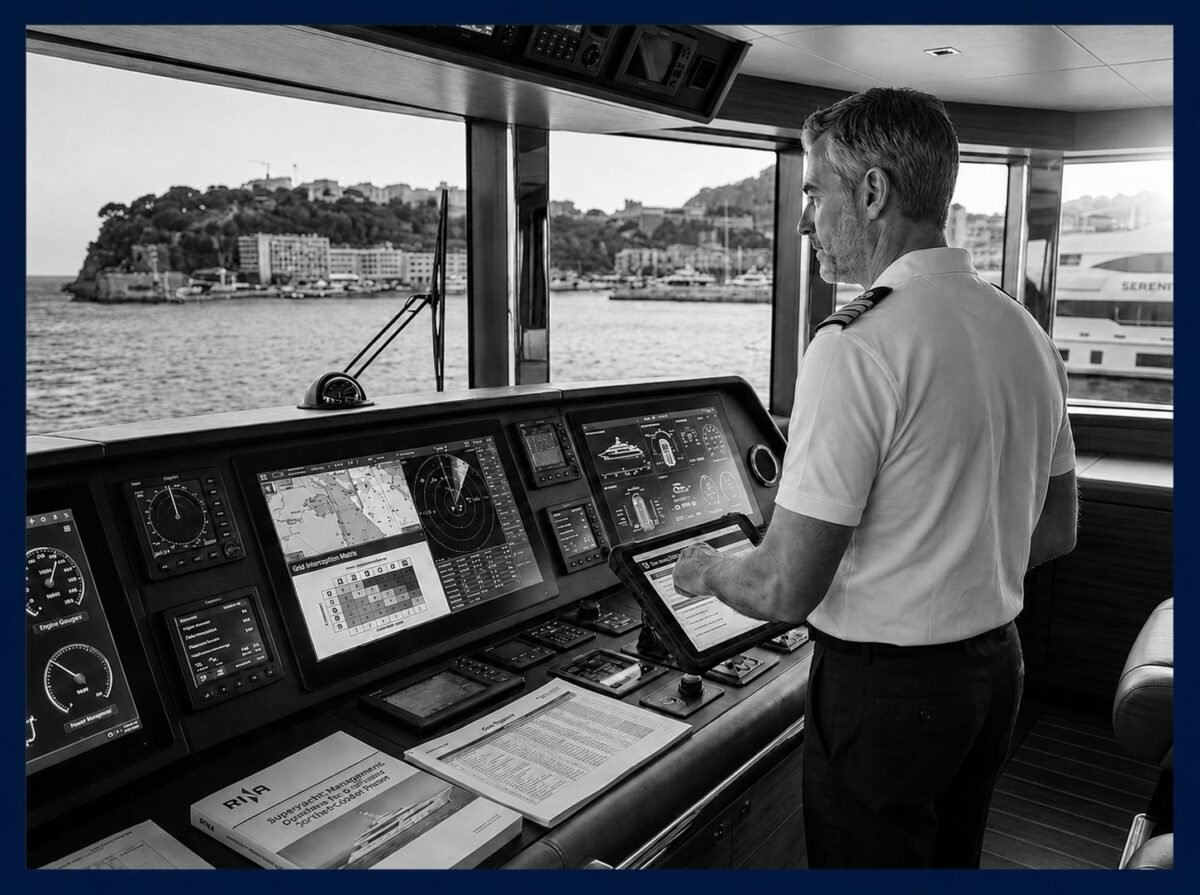
Sailing is a fascinating activity, but not without risks. In cases of emergency, mechanical failure or more serious incidents, several legal concepts of maritime law come into play: shipwreck discovery, assistance, salvage, and, more recently, towage and technical assistance in pleasure boating. Understanding the differences among these concepts is crucial not only to act correctly at sea, but also to avoid disputes and unexpected costs.

Shipwreck Discovery, Assistance and Salvage: First Distinctions

The three traditional institutions are governed by the Italian Code of Navigation (Royal Decree of 30 March 1942, No. 327, Articles 489–513) and the 1989 London Salvage Convention (implemented in Italy by Law No. 203/1995).

Wreck discovery (ritrovamento) refers to the fortuitous finding of a wreck, vessel or yacht at sea or stranded ashore, without the owner being aware of its position. Under Article 510 of the Code of Navigation, the finder must notify the nearest maritime authority within three days and deliver the wreck either to the known owner or to the authority. Upon compliance, the finder is entitled to reimbursement of expenses and a reward equal to 30% of the value of the asset found at sea, or about 20% if found on maritime public property (shoreline, beach, etc.).

Studio legale nautica e diritto civile Napoli

Assistance (assistenza) is regulated together with salvage and recovery in Title IV – Book III of the Code of Navigation. Article 489 provides that assistance to a vessel or aircraft in danger of being lost, at sea or inland waters, is mandatory, provided it can be carried out without serious risk to the assisting ship, its crew or passengers. The duty lies with the master, unless aware that others are already providing adequate assistance.

Assistance differs from salvage because in assistance the distressed vessel is still capable of cooperating, maintaining some degree of manoeuvrability. Assistance entitles the salvor to: compensation for damages, reimbursement of expenses, and a reward, but only if the operation produces a useful (even partial) result (Art. 491). The reward is assessed considering the value of the assisted property, the degree of danger, the effort and risks undertaken, the time employed, and general expenses of the assisting enterprise.

The 1989 Salvage Convention modernised these rules by broadening the scope of ‘salvage operations’ to include acts to prevent or minimise environmental damage, even where the operation is unsuccessful. Article 14 introduced the concept of environmental salvage, partly derogating from the classic ‘no cure, no pay’ principle.

Salvage (salvataggio) is addressed by Articles 490 et seq. of the Code of Navigation. Unlike assistance, salvage occurs when the distressed vessel is no longer able to cooperate and the intervention of the salvor is decisive in preventing its loss. The law confirms the ‘no cure, no pay’ principle: compensation is due only if the salvage produces a useful or partially useful result. The award is determined according to the same criteria as assistance.

Towage and Technical Assistance in Pleasure Boating

With Legislative Decree No. 229/2017, Italy introduced a specific regulation on assistance and towage services for pleasure craft (Article 49-duodecies of the Code of Pleasure Boating).

This intervention aims to enhance safety at sea and prevent pollution, regulating minor activities compared to traditional maritime salvage.

“Minor assistance” in the context of pleasure boating is a technical, non-emergency service, such as:
– supply of fuel or batteries;
– engine restart;
– refloating in case of grounding;
– minor repairs at sea.

These services may also be provided by authorised private operators and mooring personnel, provided they hold professional liability insurance and have notified the competent Maritime Authority. Such services resemble a technical or craft service, giving rise only to the agreed fee, not to the reward mechanisms of the Code of Navigation.

Towage, under Article 49-duodecies, refers to the transfer of the vessel to the nearest suitable facility when the issue cannot be solved on site. This form of towage does not amount to salvage and differs from the technical towage regulated in the Code of Navigation, although in practice the boundary between these categories may sometimes blur.

Key Legal Implications

The distinctions among shipwreck discovery, assistance, salvage and towage directly affect the rights and duties of the parties involved, the economic consequences, and even criminal liability in cases of failure to render assistance.

This overview is not exhaustive but aims to provide initial guidance, useful both to yacht owners seeking protection and to operators called upon to intervene.


For specific advice, contract drafting, or dispute management in this area, contact us to discuss your case: we will analyse your situation and develop the most suitable strategy to protect your interests.


Studio Legale Capece Minutolo

Avv. Gianmarco Capece Minutolo

With its recent order No. 28672 of 29 October 2025, the Third Civil Division of the Italian Supreme Court returned to the issue of lost checked baggage and compensation for passengers. The case involved a Palermo–Verona flight: the passenger had duly handed over the checked baggage to the carrier, but upon arrival the suitcase was never returned. The airline was found responsible for the loss, yet the lower courts rejected the compensation claim due to lack of analytical proof of the baggage’s contents, deeming the equitable assessment of damages inapplicable.

Considering the decision unfounded as well as unjust, the matter was brought before the Supreme Court, which overturned the ruling, affirming that once the loss of the checked baggage is established and the carrier’s liability is identified under the 1999 Montreal Convention, the judge cannot deny compensation merely because the passenger cannot provide detailed proof of the contents and value of every single item. In such cases, damages may—and must—be assessed equitably, within the limits set by the Convention.

This is a fair and significant principle for the effective protection of travelers: it is unrealistic to expect passengers to retain purchase receipts or to be able to prove the contents and value of every item in a suitcase. Judges may rely on common-sense criteria (length of travel, destination, number of bags, nature of the trip) to estimate damages within the maximum liability limits established by the Montreal Convention of 28 May 1999, which governs international air transport of passengers, baggage and cargo (and applies to domestic flights via Article 941 of the Italian Navigation Code). The Convention entered into force in Italy on 28 June 2004.

Regarding baggage-related protection, Article 17(2) of the Convention states: “The carrier is liable for damage sustained in case of destruction, loss or damage to checked baggage, upon condition only that the event which caused the damage took place on board the aircraft or during any period within which the checked baggage was in the charge of the carrier.” It further provides that: “If the carrier admits the loss of the baggage, or if the baggage has not arrived within 21 days from the date on which it ought to have arrived, the passenger may enforce his rights arising from the contract of carriage”.
Article 22 sets out the limitation of liability: “In the carriage of baggage, the liability of the carrier in the case of destruction, loss, damage or delay is limited to 1,519 Special Drawing Rights per passenger, unless the passenger has made, at the time when the checked baggage was handed over to the carrier, a special declaration of interest in delivery at destination and has paid a supplementary sum if required”.
Below is a practical checklist to help passengers avoid losing their right to compensation under the Montreal Convention.

Baggage Checklist – What to Do to Preserve Your Right to Compensation

1. Mandatory Deadlines for Claims
Damaged baggage – Send a written complaint within 7 days of receiving the baggage.
Delayed baggage – Send a written complaint within 21 days from the date the baggage is returned.
Lost baggage – Considered lost after 21 days. File a written complaint within 21 days from the scheduled arrival date.
2. Essential Documents
Complete the PIR (Property Irregularity Report) at the Lost & Found desk at the arrival airport.
Keep your boarding pass and baggage tag.
Collect receipts for essential expenses incurred due to the irregularity.
Document damages with photos or videos.
Send a written complaint via certified email, registered mail, or the airline’s official online form.
3. Practical Tips
Always complete the PIR before leaving the airport.
Send the complaint within the deadlines, even if the baggage is later found.
Include in the complaint: flight number, date, and description of the incident.
Keep copies of all documents submitted to the airline.

****

Unfortunately, problems in air travel do not only involve baggage. Other frequent issues include:

• long flight delays or cancellations;
• denied boarding (overbooking);
• missed connections and lack of assistance from air carriers.

In these cases, passengers are protected not only by the Montreal Convention but also by EU Regulation EC No. 261/2004, which establishes common rules on compensation and assistance in cases of denied boarding, flight cancellation, or long delay, ensuring a high level of passenger protection through minimum rights and predetermined compensation based on flight distance.
If you have suffered baggage loss, damage or delayed delivery, or have experienced flight cancellations, delays, or issues linked to a travel package, you may contact the Firm using the dedicated form or by email to describe your case. We will analyze your situation and determine the most appropriate strategy to safeguard your rights.

Studio Legale Capece Minutolo
Avv. Gianmarco Capece Minutolo